A complete 3D visualisation system built to represent a full outdoor shading range — including awnings, blinds, and louvre roofs — across multiple products, configurations, and outputs.
Most building product manufacturers face the same problem: the primary product gets proper treatment, and everything else is assembled from supplier assets, old photography and inconsistent renders — each produced under different conditions. For this project, every SKU in a nine-product outdoor shading range was visualised within a single system, using consistent lighting, camera discipline and production standards across awnings, blinds and roof structures. The result is a library that behaves like a unified system rather than a collection of individual assets.
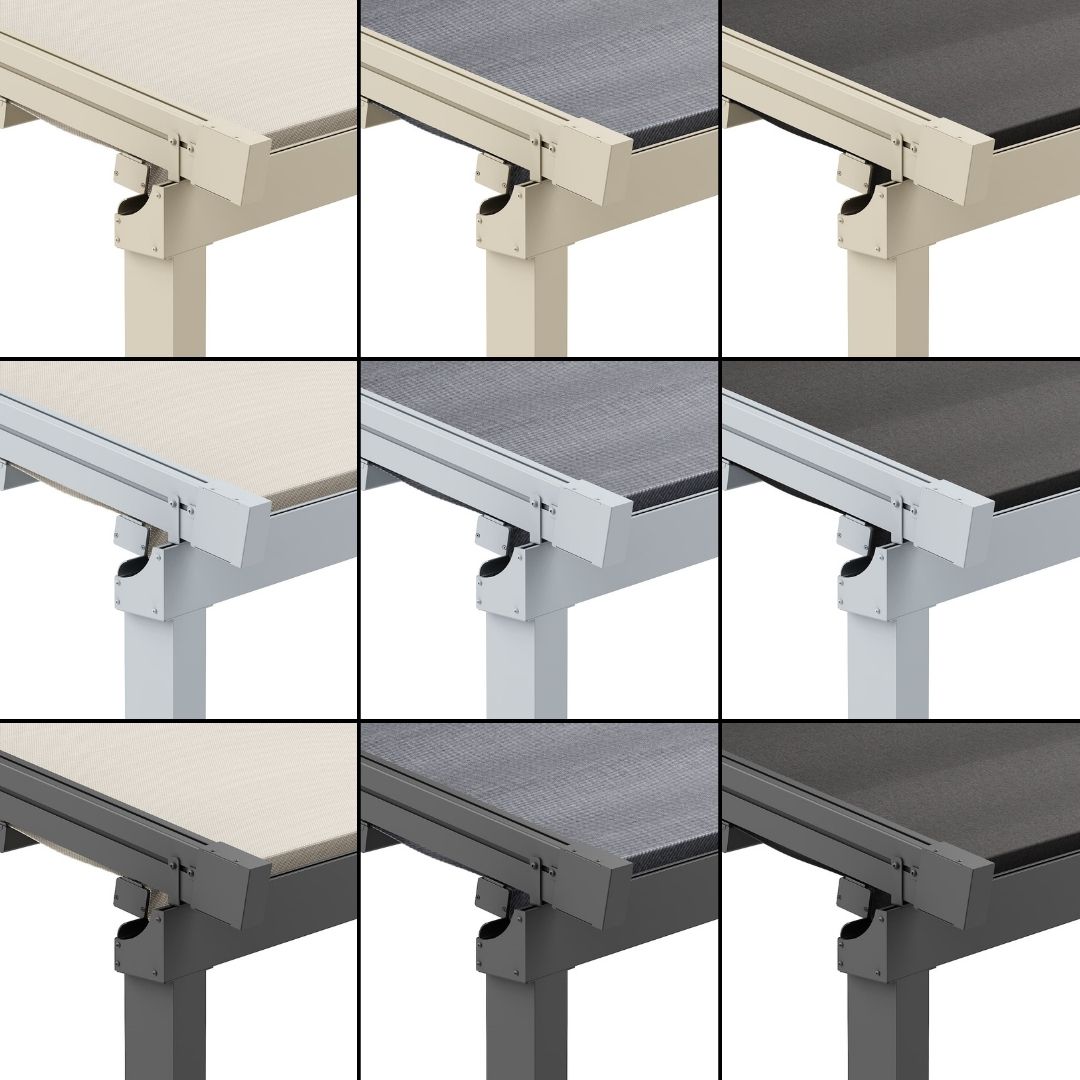
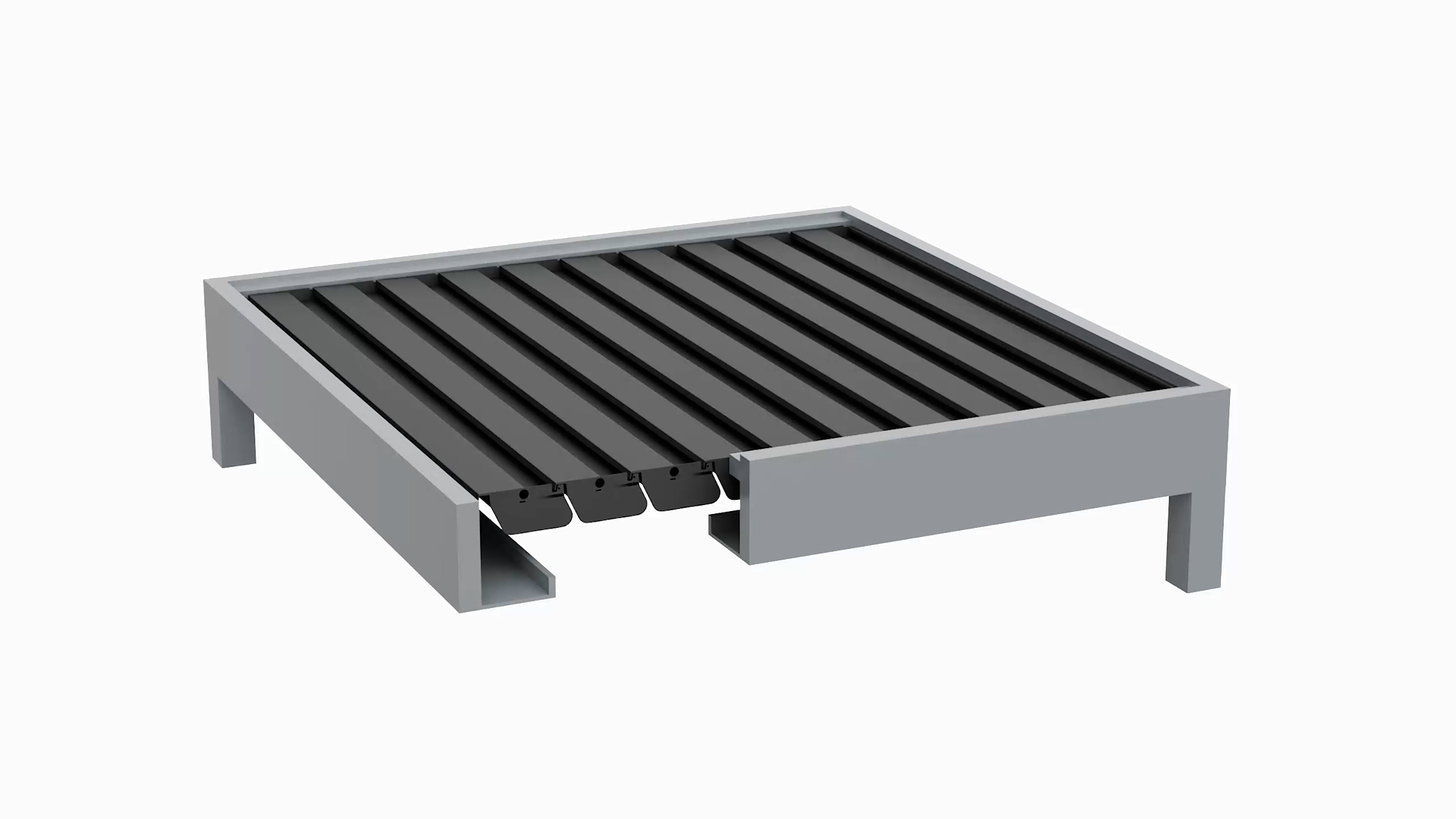
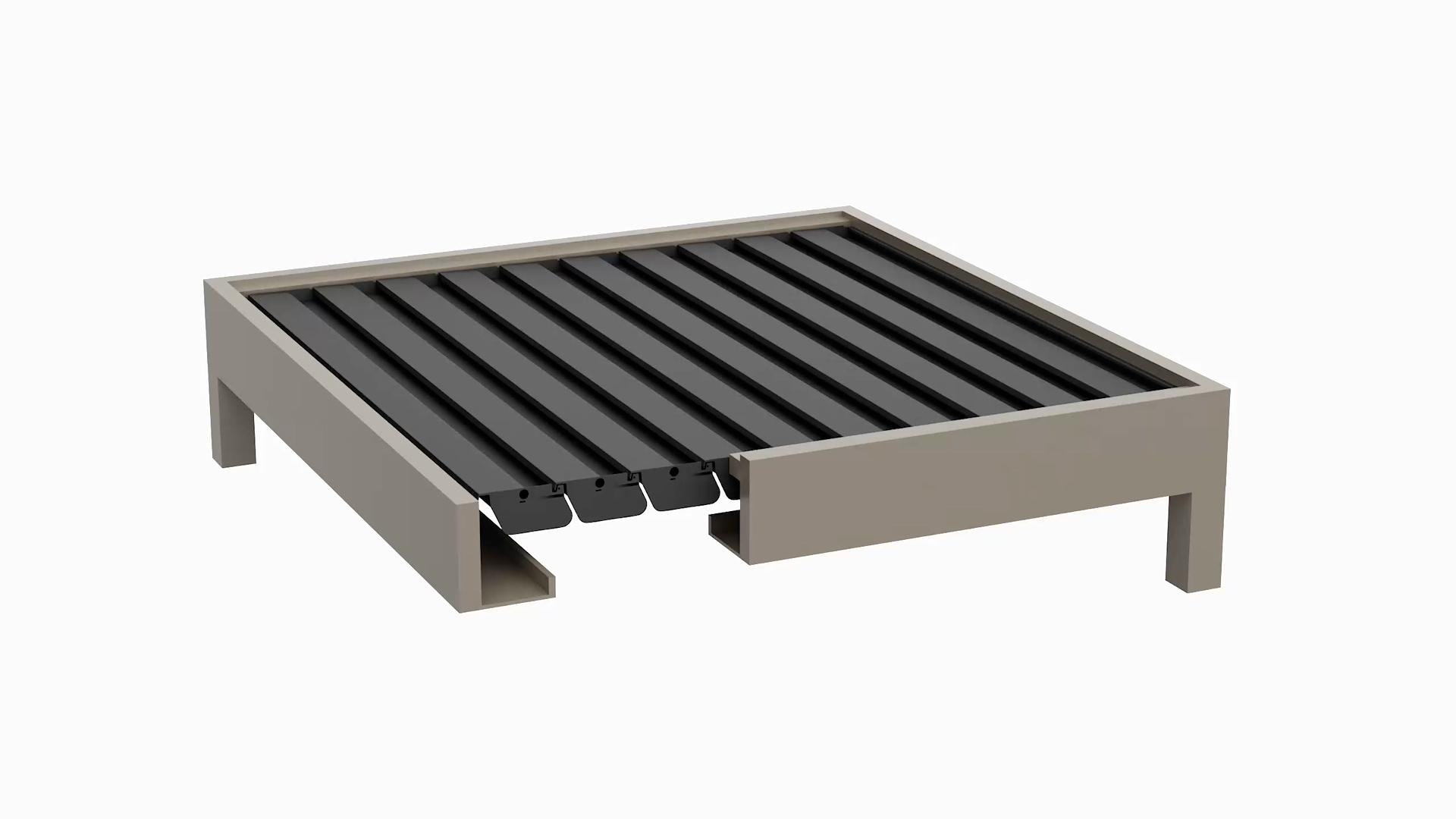
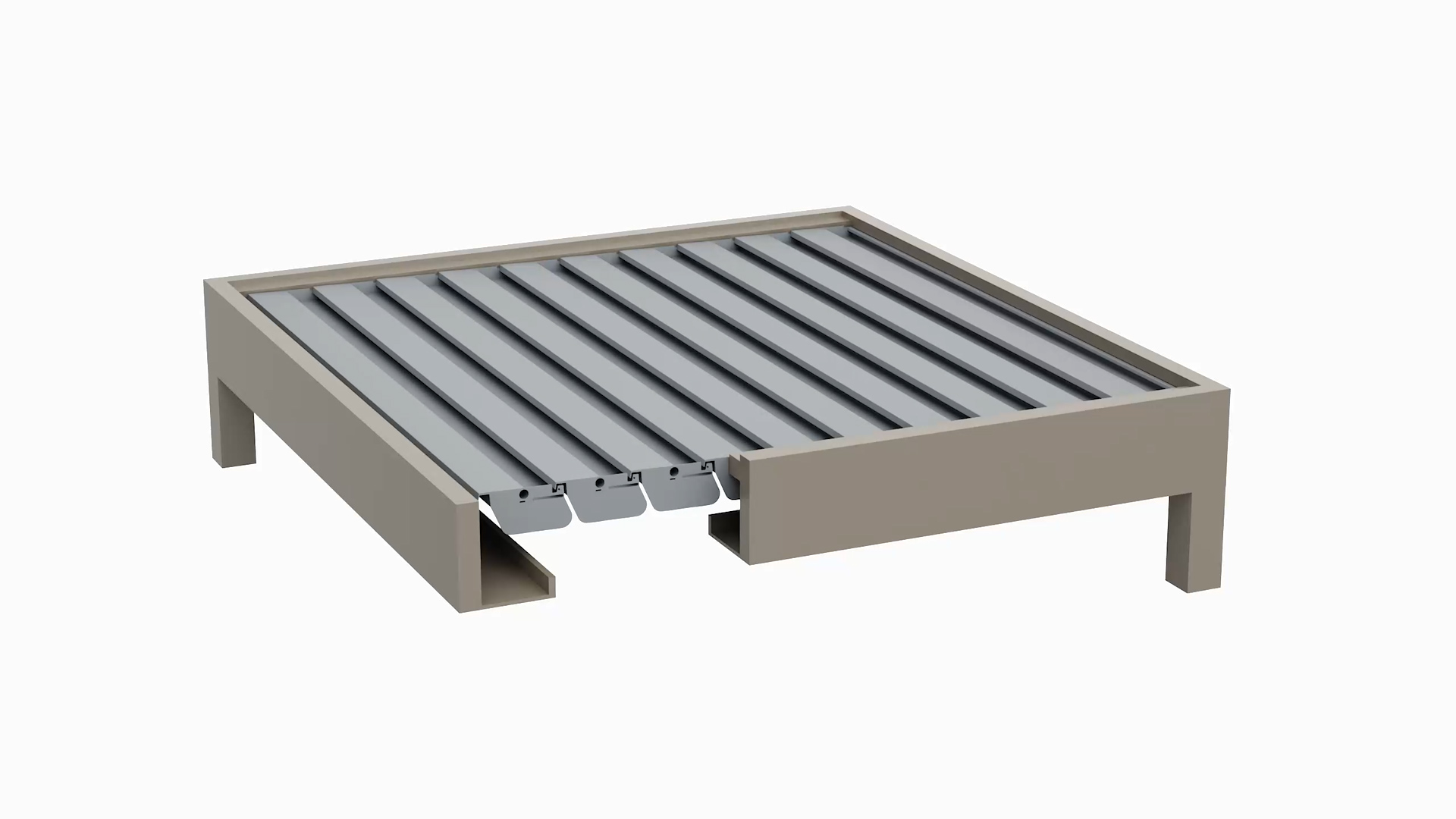
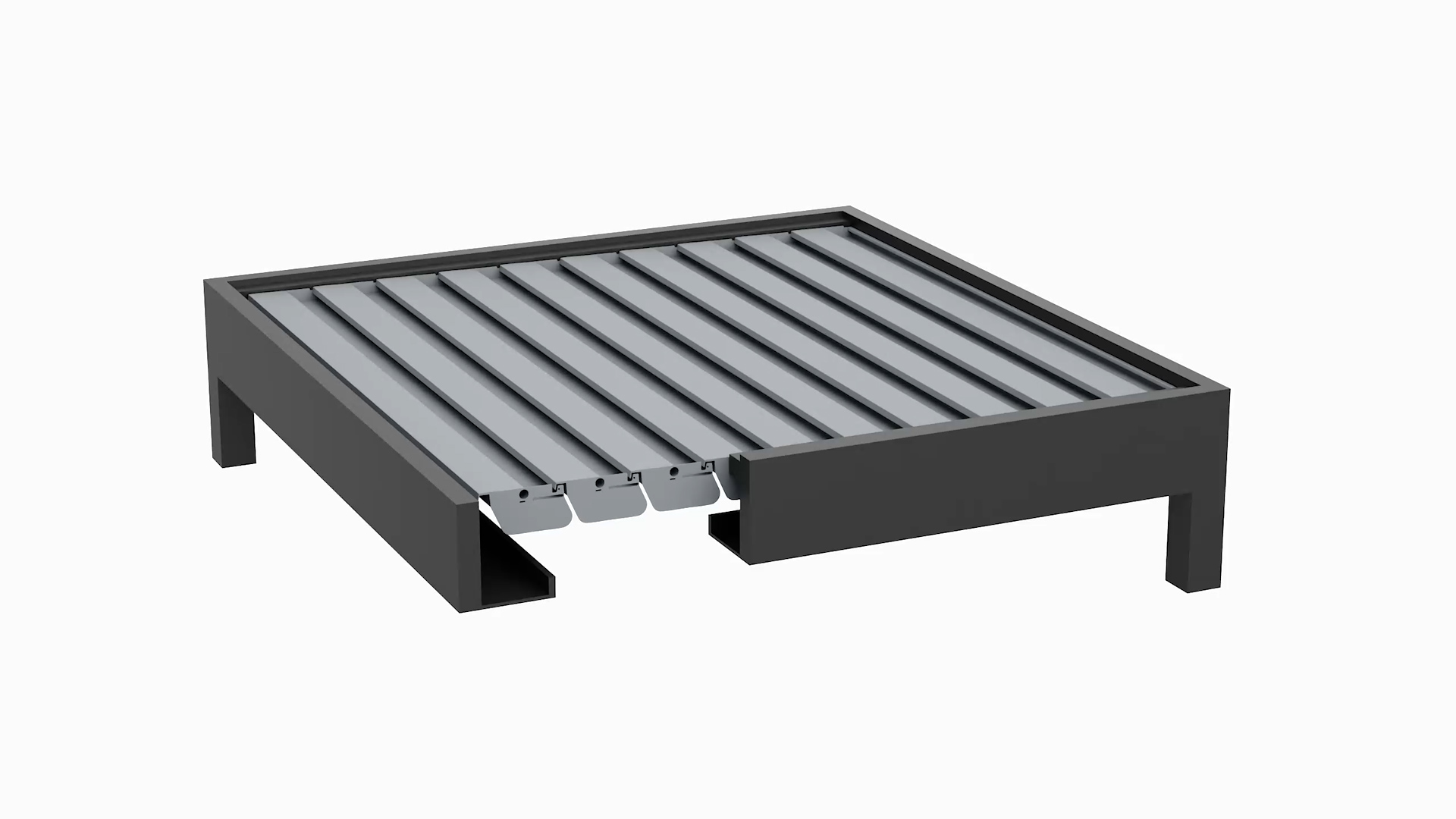
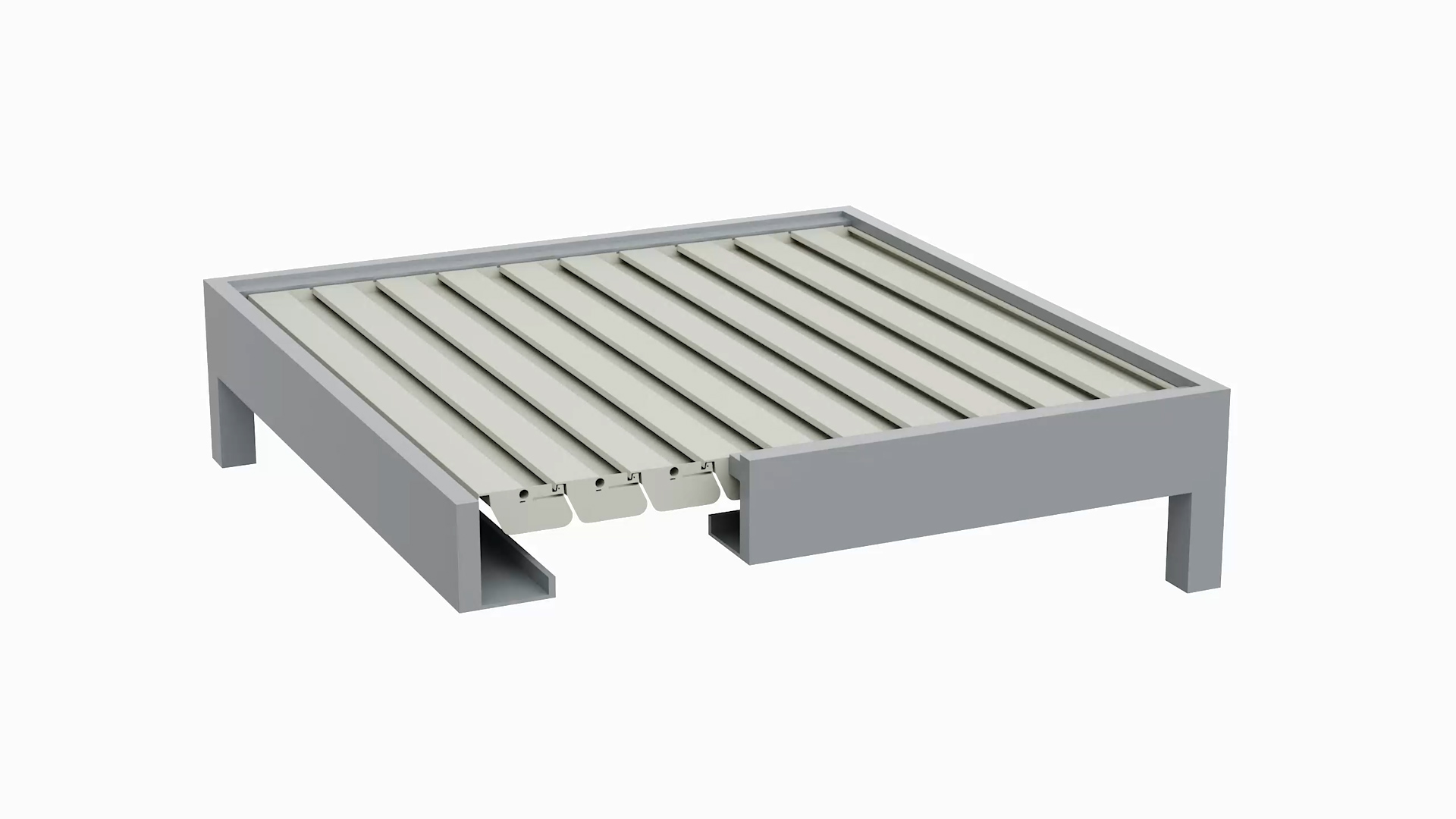
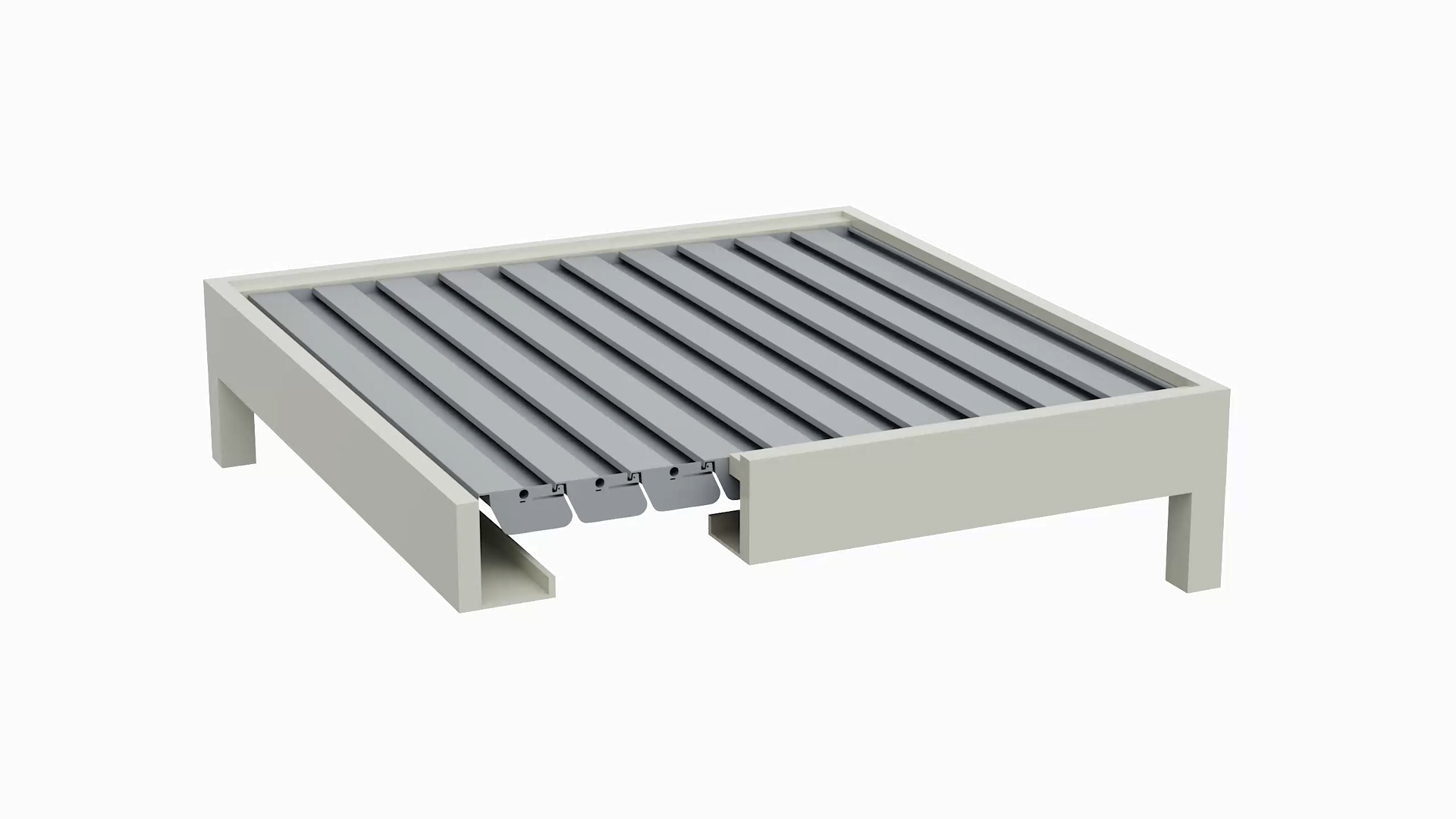
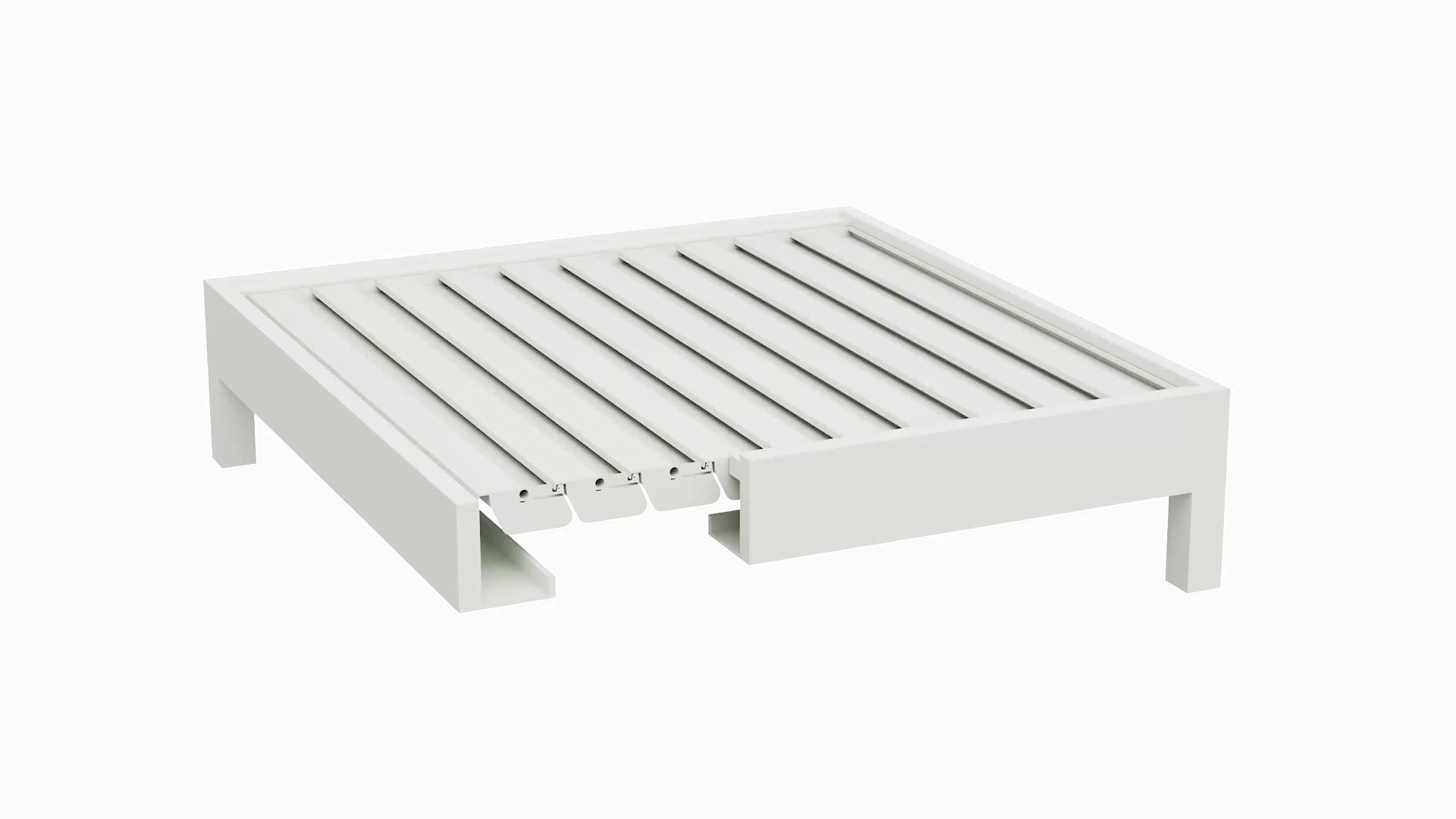
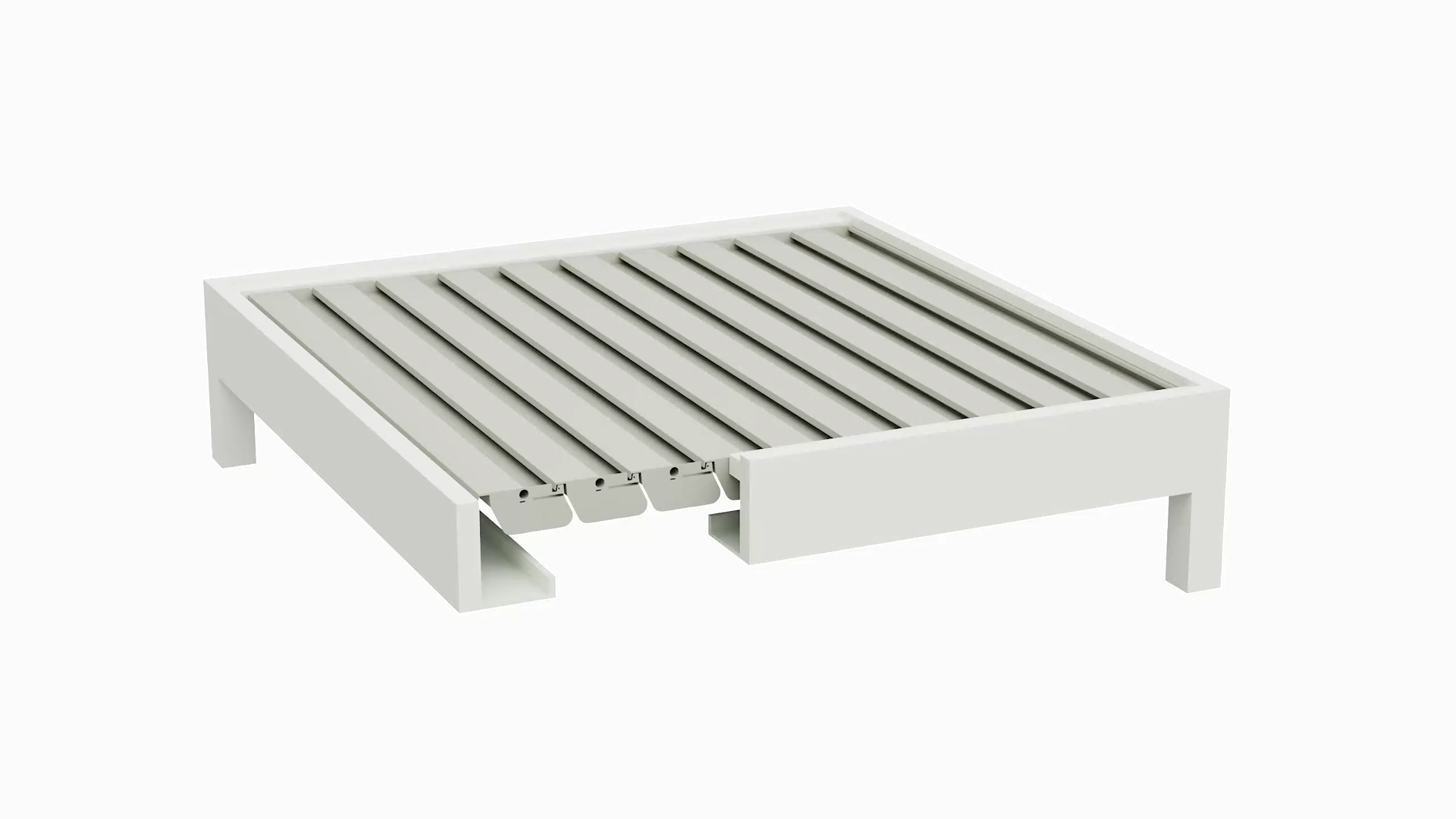
Every variation in the product range can be visualised clearly — showing how configurations behave and removing guesswork for customers, sales teams, and distributors. When the scene system is already built, generating additional frame and fabric combinations requires material changes, not new geometry.
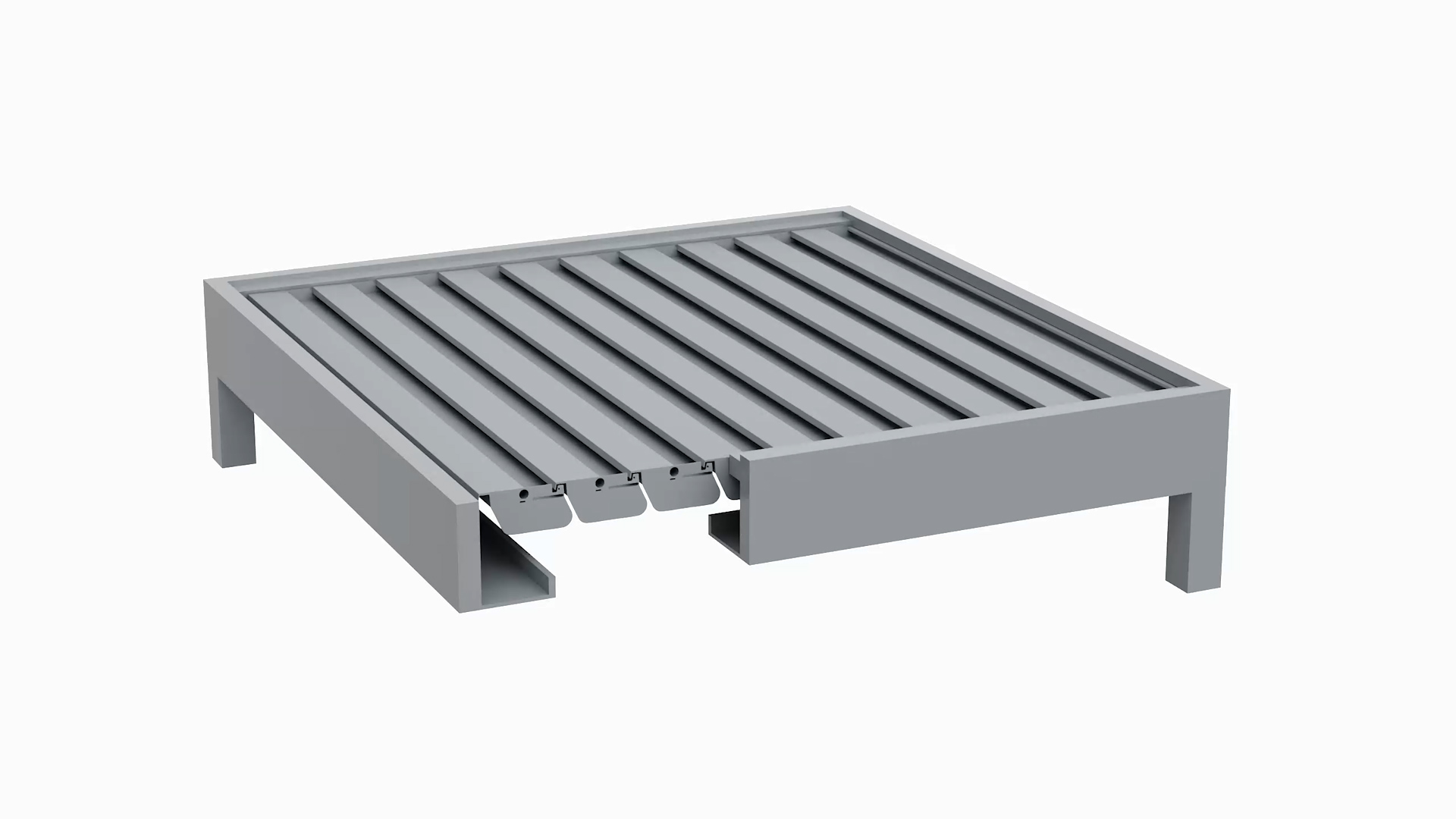
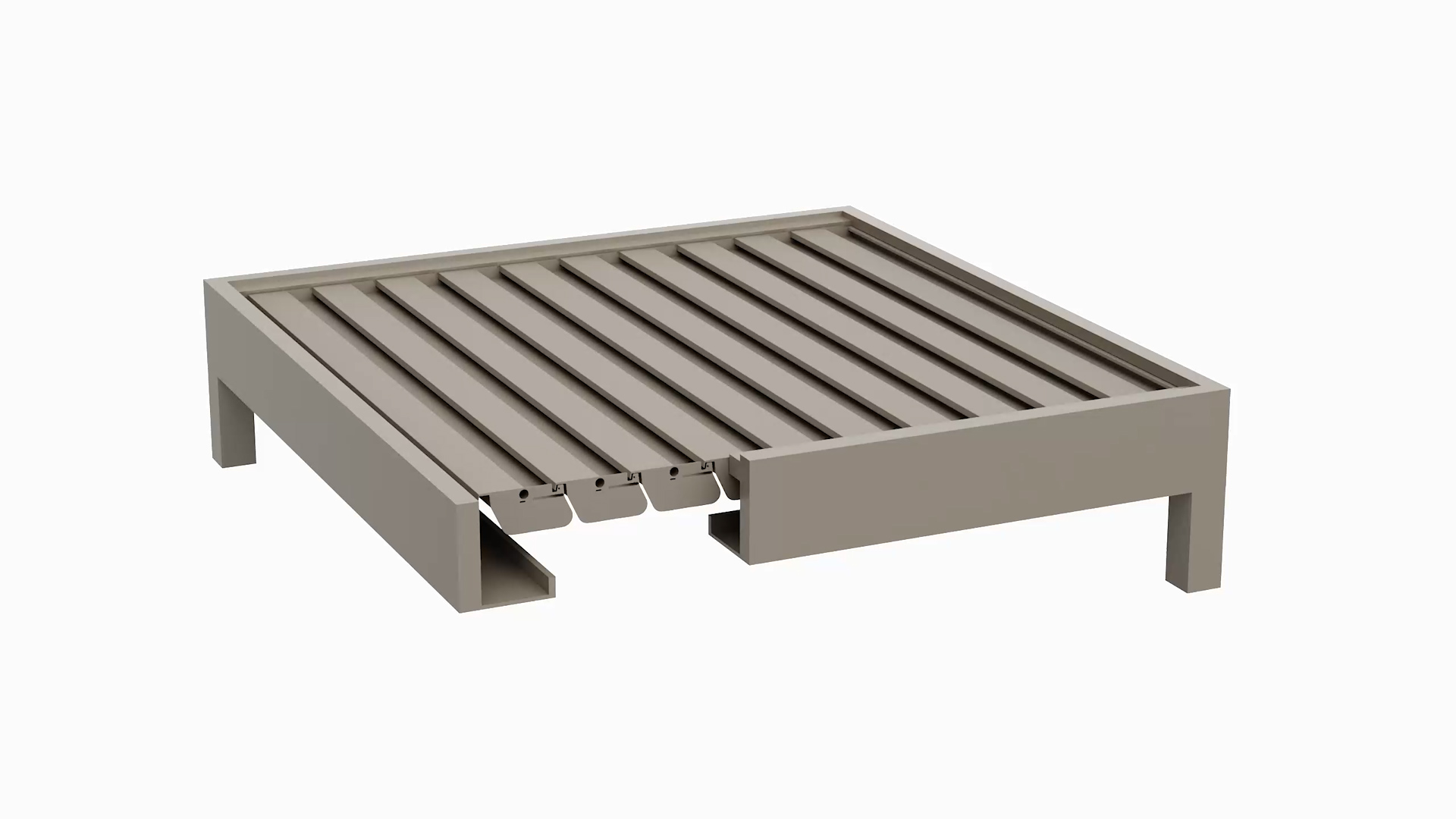
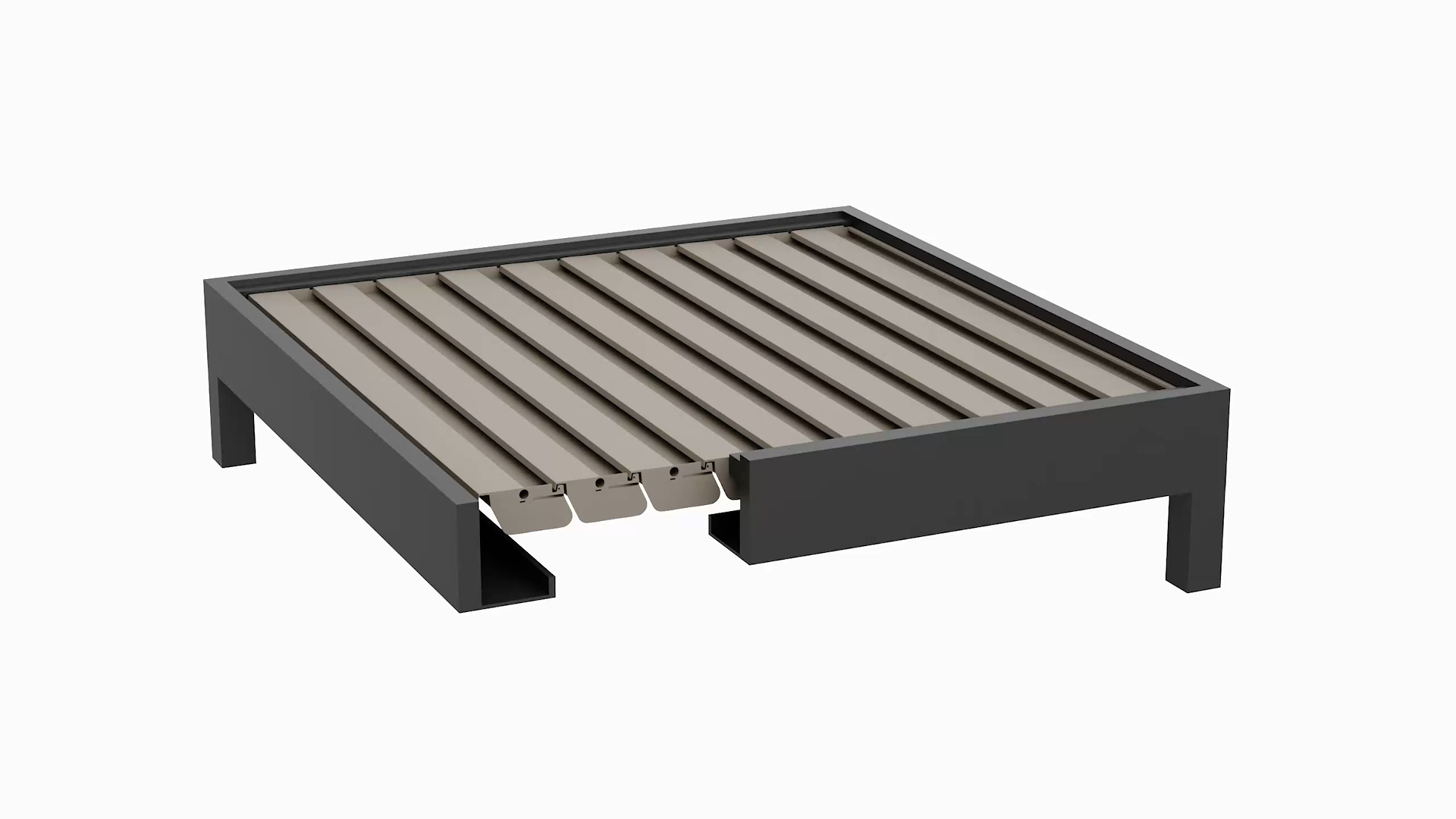
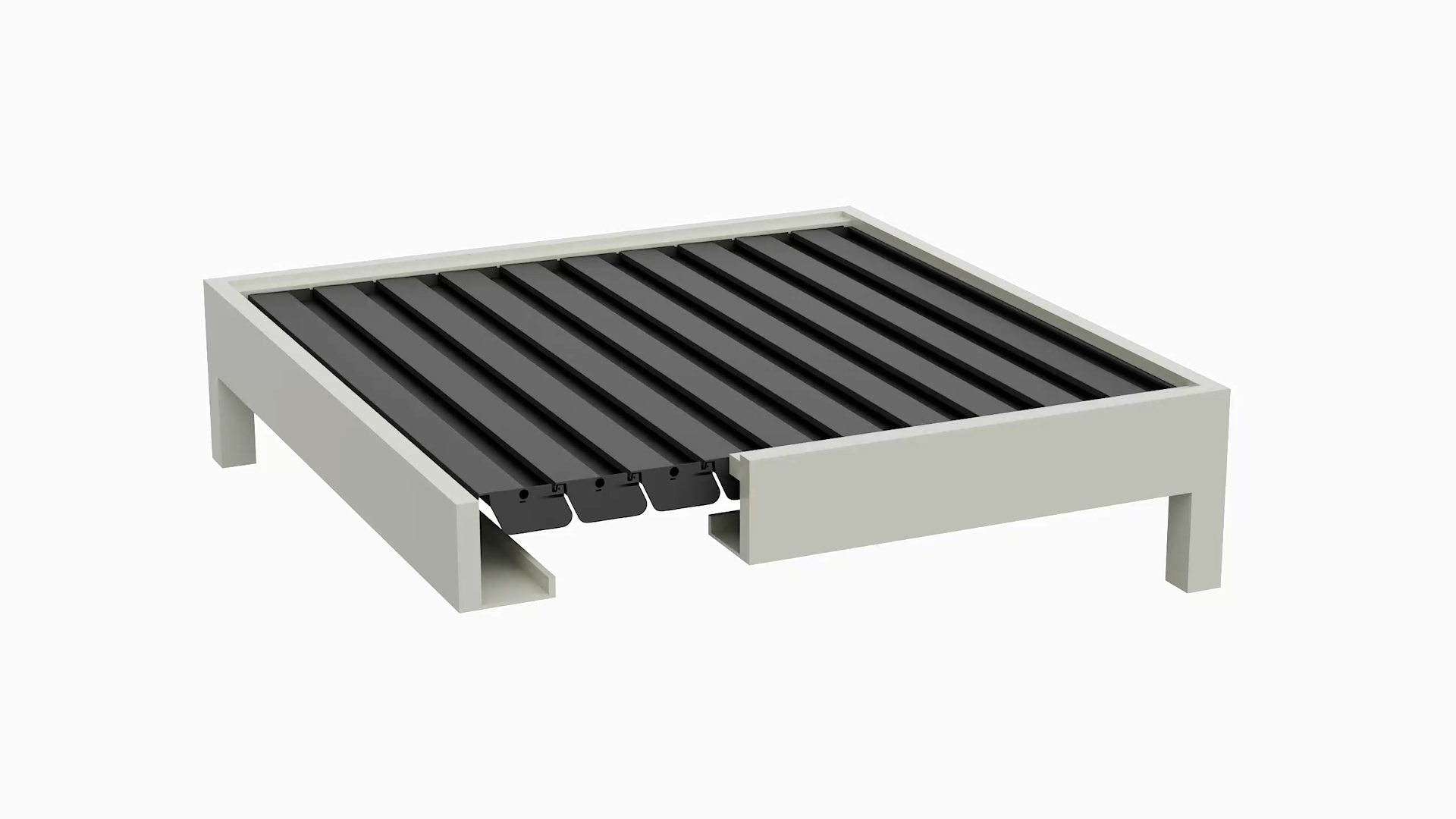
Shown: MedEvo Pro. Same model. Same light. Same camera. Frame and fabric changed independently — demonstrating the scalability of a system-based approach.
Each product in the range was visualised using a consistent system — allowing individual items to be presented clearly while maintaining alignment across the full catalogue.
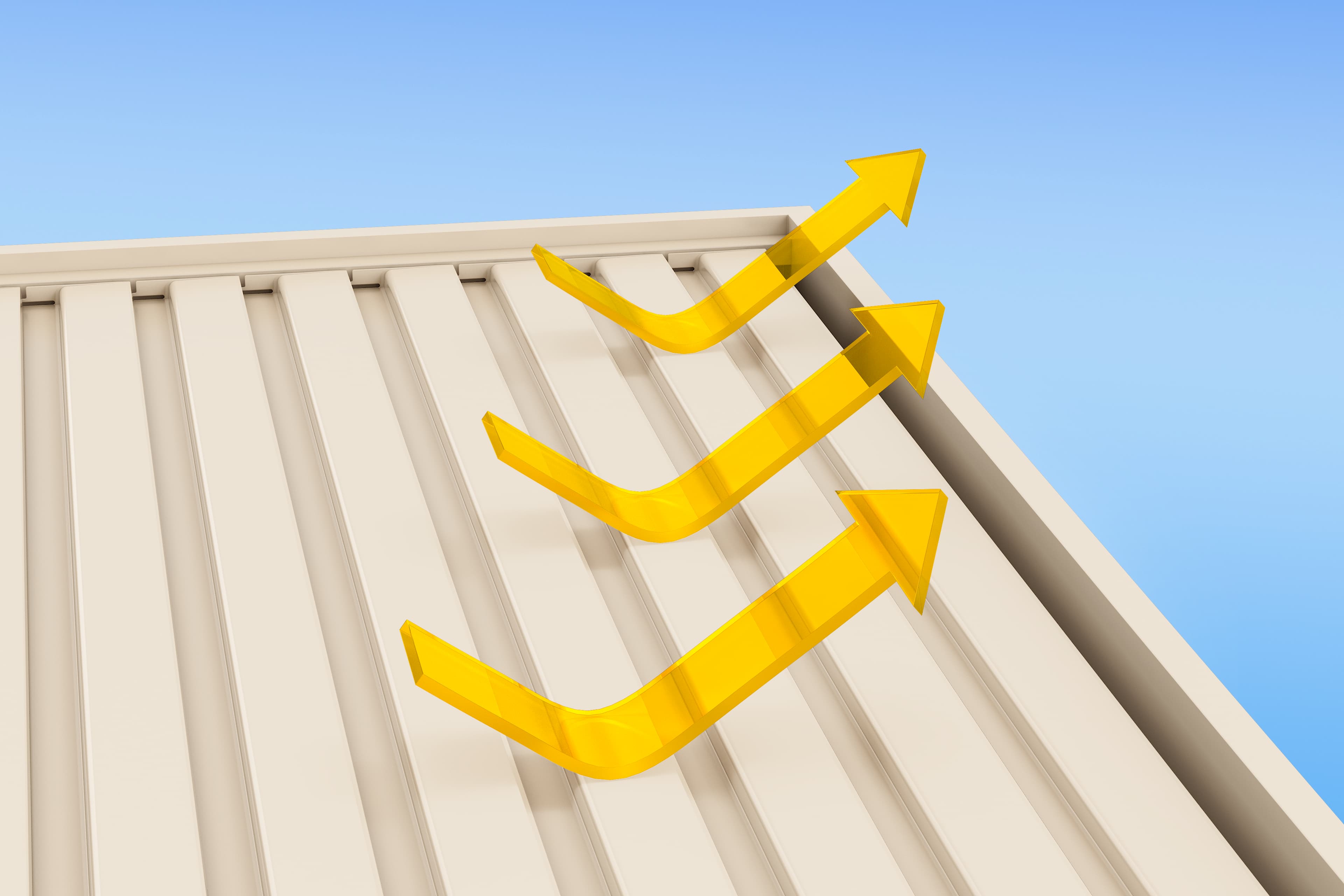
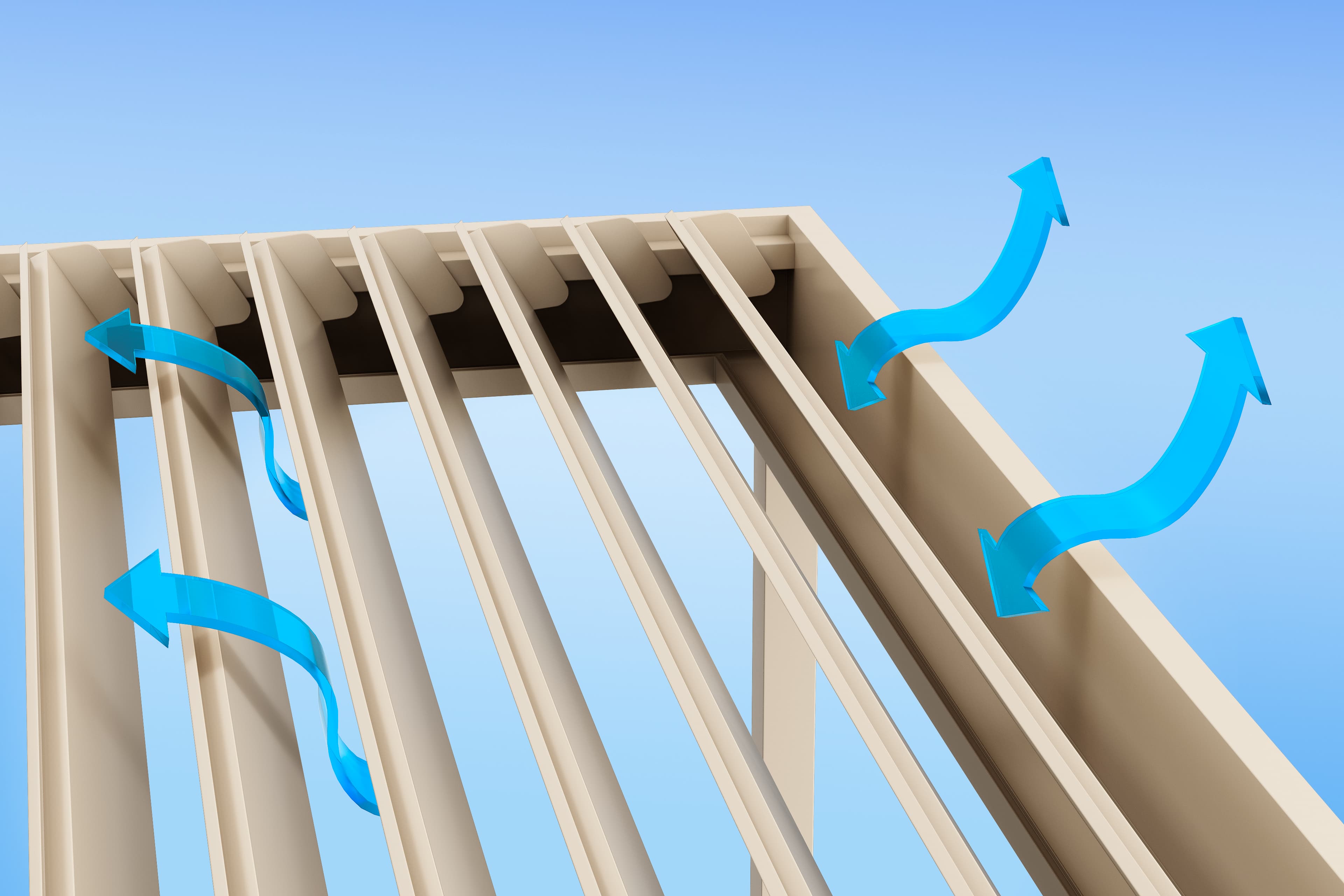
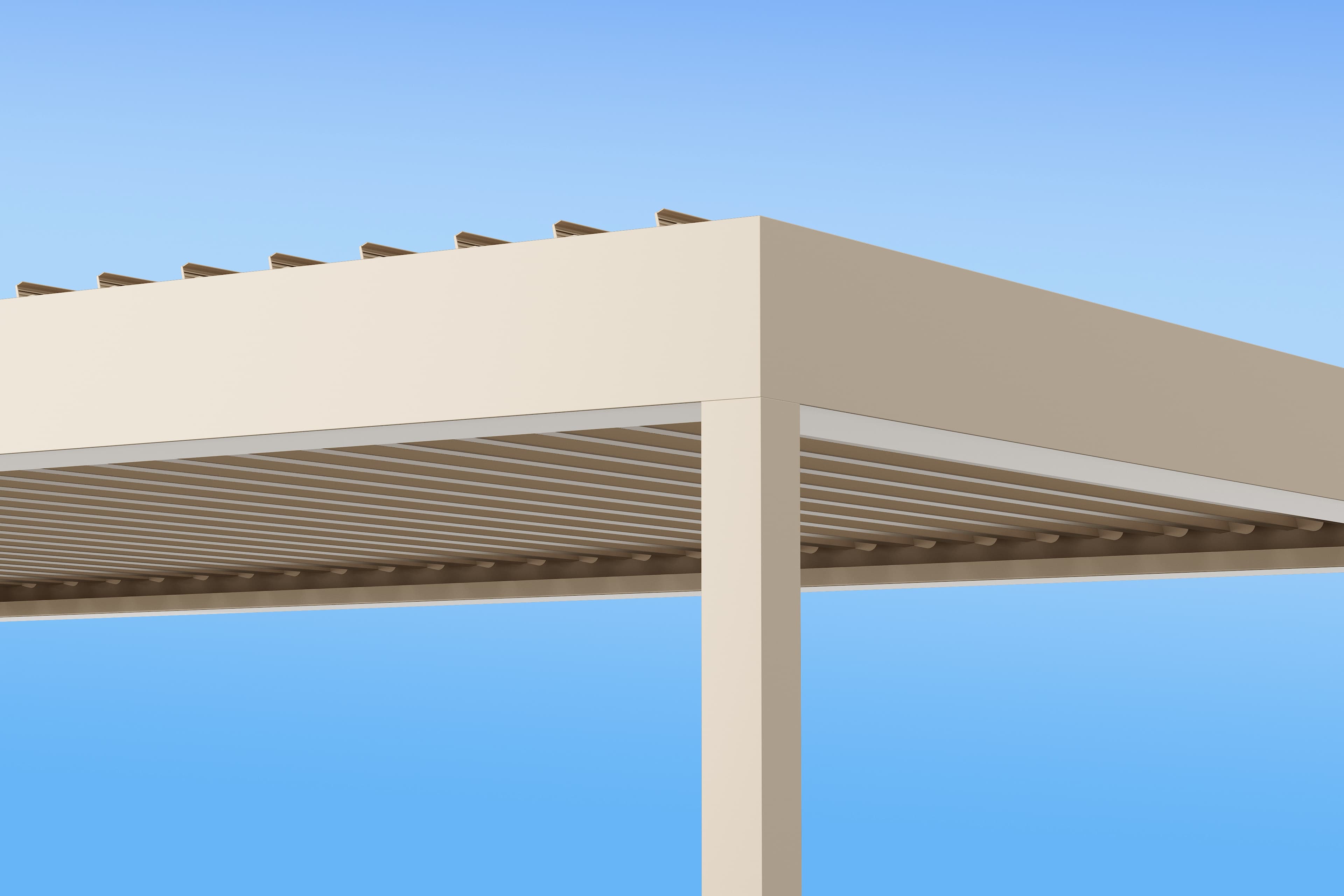
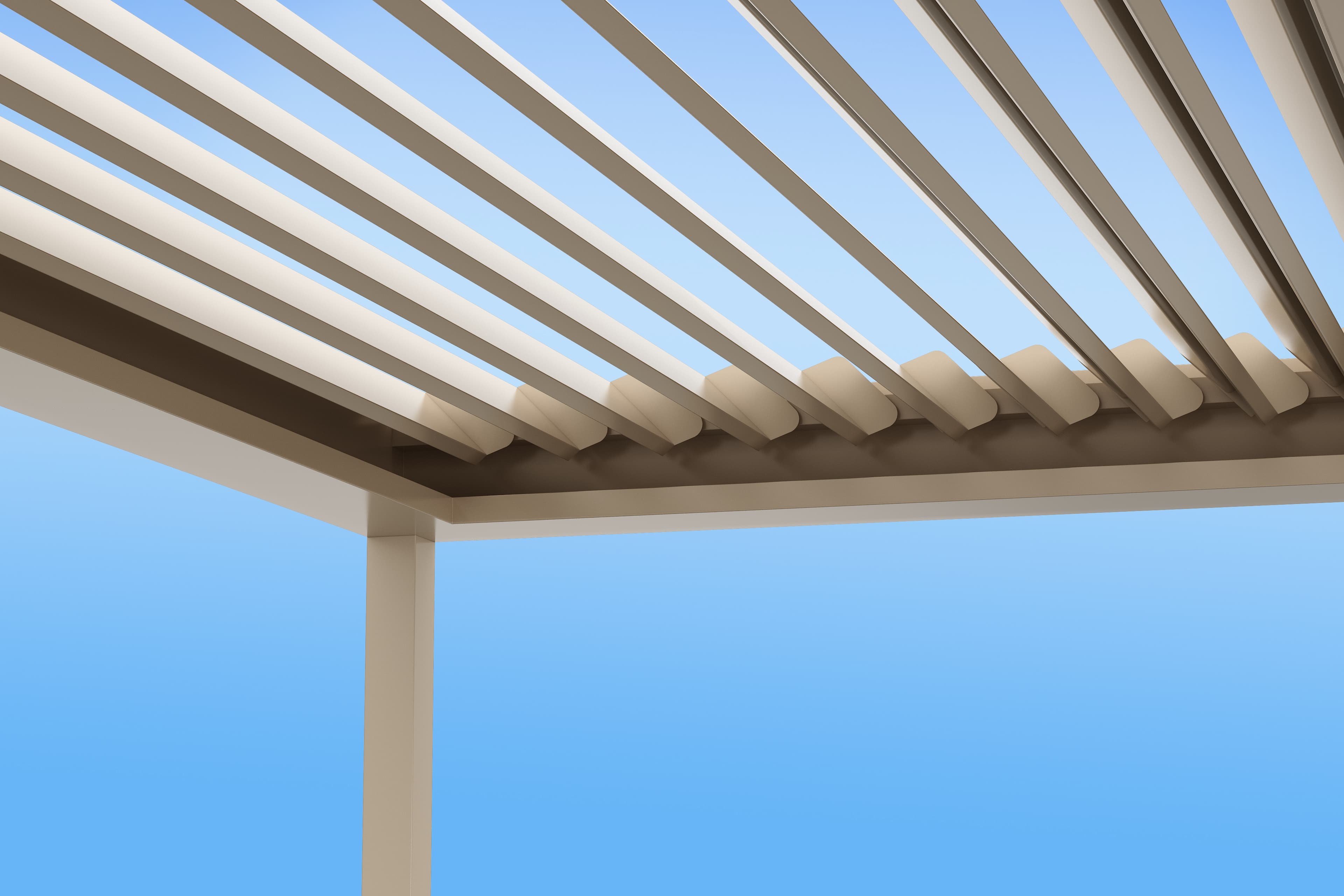
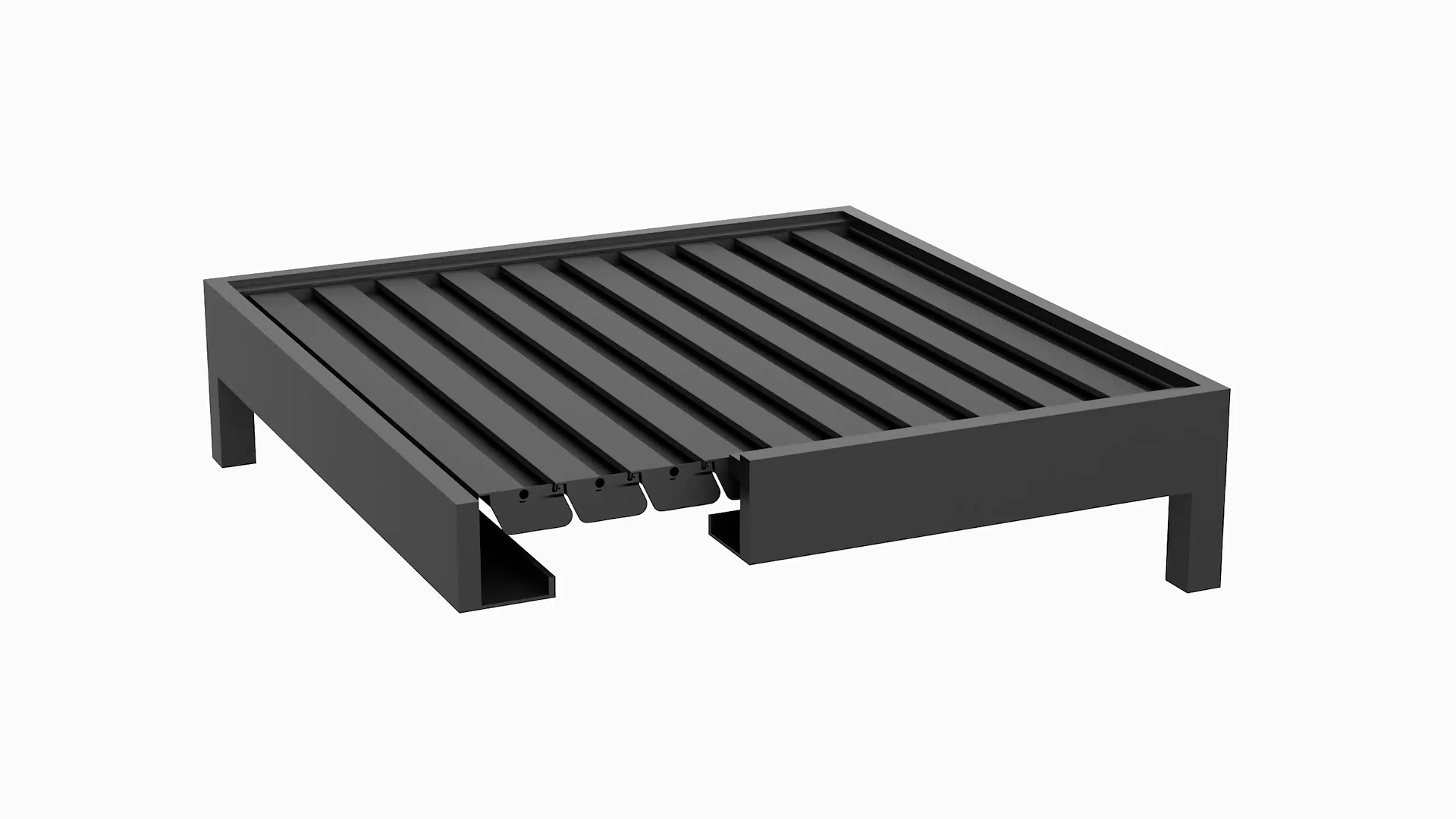
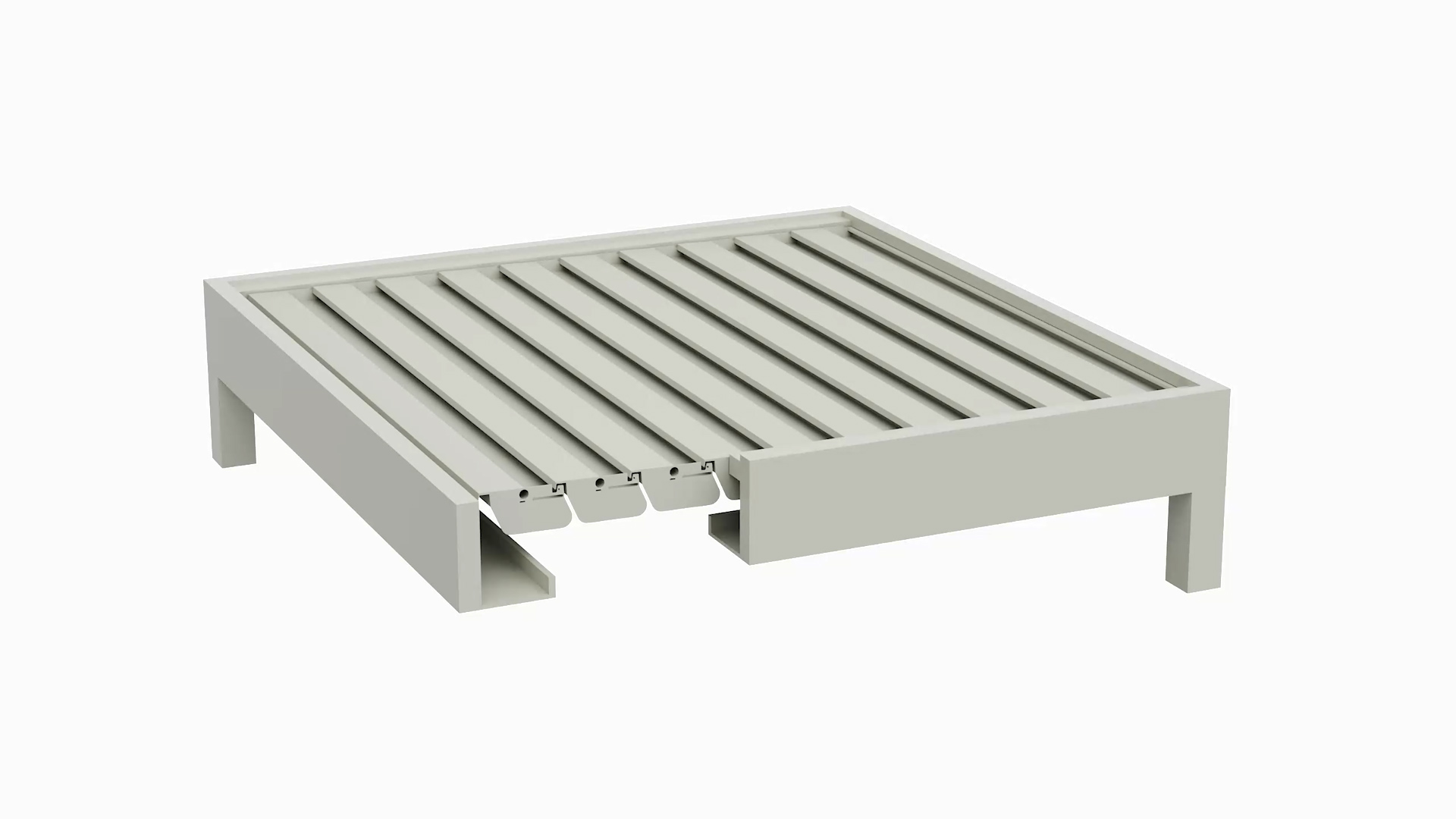
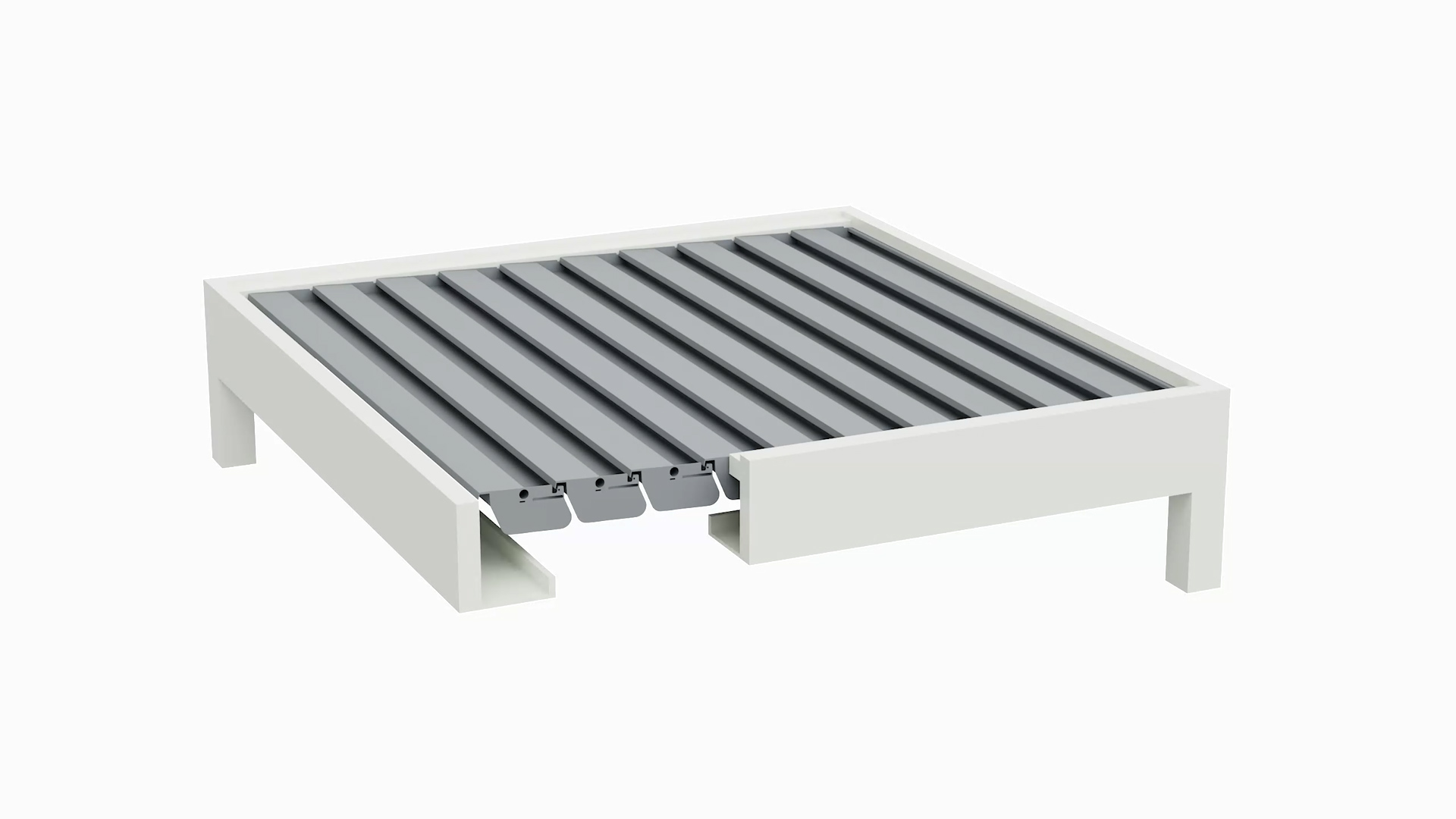
This sequence demonstrates how adjustable louvre systems behave across key positions — from fully closed to fully open. Each state is presented using a consistent camera and lighting setup to clearly communicate system behaviour, including airflow, light control, and weather protection. This approach is particularly effective for products where movement and internal function are difficult to capture using traditional photography or video.
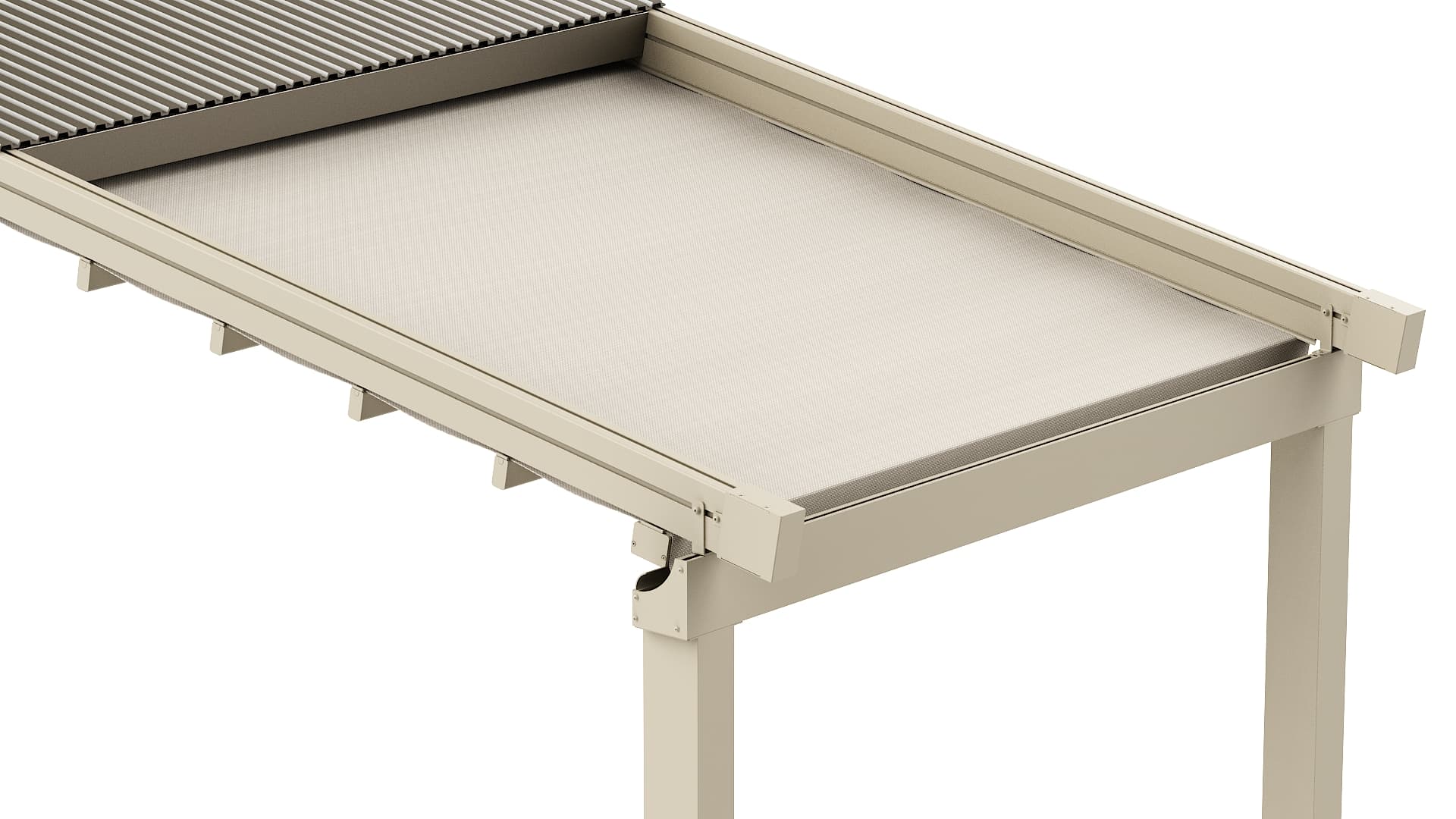
The system was also visualised across multiple structural configurations, demonstrating how a single product adapts to different spans and layouts — and how a single scene setup can scale to cover the full range without rebuilding from scratch.
Outdoor shading products are structurally complex and difficult to photograph consistently. They are large, often site-installed before documentation is possible, and vary dramatically in form — from a compact roller blind to a wide-span retractable roof structure with integrated drainage and modular bay configurations.
The result, for most manufacturers and dealers, is a product library assembled from mismatched supplier assets and ad hoc photography — each produced under different conditions, at different scales, with different camera approaches. The inconsistency compounds across a catalogue and undermines the visual credibility of the entire range.
The brief was to build a structured 3D visualisation system capable of representing every SKU in the range at the same standard — consistent enough to function across product pages, brochures and sales tools without any output looking out of place. Key requirementsEach product was modelled or rebuilt from supplied geometry with a focus on mechanical accuracy — because an animation that doesn't reflect how the product actually operates provides no communication value.
A consistent camera system was defined before any animation was committed — primary angle, secondary detail angle, and structural context framing. Every product in the range was visualised within this system, regardless of form factor or scale.
Folding arm mechanisms, pivot articulation, zip track engagement, and louvre blade rotation were all rigged to reflect actual product behaviour. The animation communicates how each system operates — which is what makes it useful beyond a static render.
Material assignments and scene structures were organised so that colour and configuration variations could be generated without rebuilding geometry. Span additions, frame colour changes, and fabric swaps are handled at the material level — not through separate modelling or animation work.
The project delivered a structured 3D visualisation system covering nine product lines across three categories — all produced within a consistent camera and lighting framework. Every output, from individual product animations to louvre state comparisons and multi-span configuration renders, operates as part of the same visual system rather than a set of isolated assets.


We build structured 3D visual systems that scale across your entire catalogue — ensuring consistency across every product, configuration, and output. If your current library was assembled rather than designed, we can scope what it takes to rebuild it properly.